Therapeutic
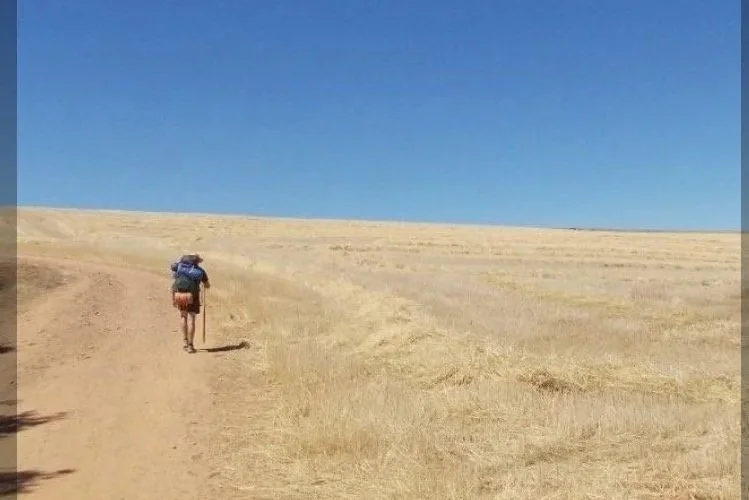
Therapeutic Outdoor Adventures use nature-based activities and experiential learning to promote psychological healing, personal growth and social connection. It integrates evidence-based therapeutic techniques with purposeful outdoor experiences. Practitioners draw on therapeutic theories and modalities to shape interventions.
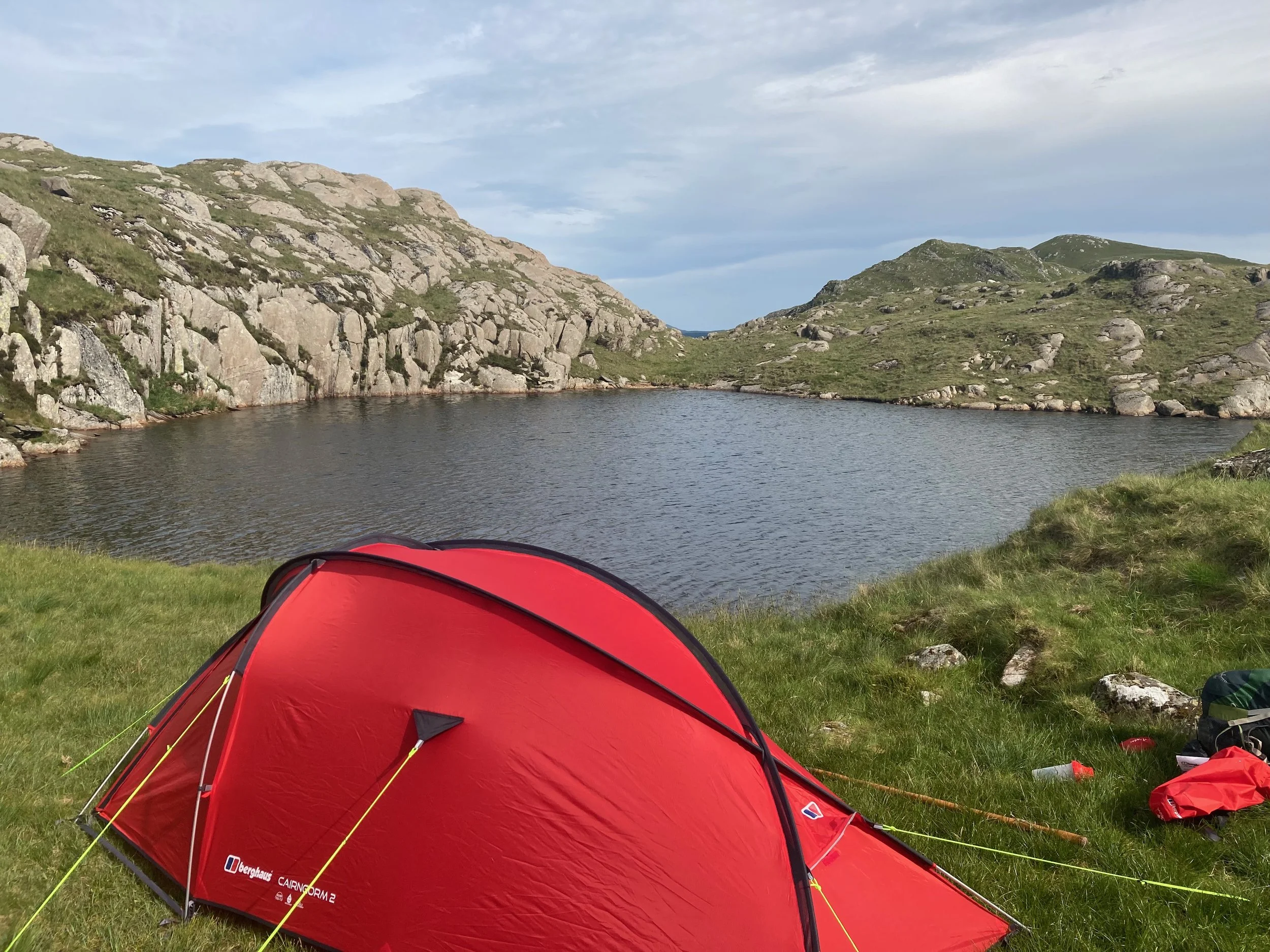
Sessions occur in natural settings that provide multi-sensory stimuli and varying levels of challenge. The outdoor environment functions as a therapeutic tool: it offers restorative qualities that reduce stress, restores attention, affords metaphor-rich experiences for reflection (e.g. The Kawa Model), and creates opportunities for participants to utilise the other-than-human world in a therapeutic triad. Activities are designed and scaffolded according to participant needs and goals i.e. low-intensity nature walks may support mindfulness and mood regulation, while multi-day expeditions can address resilience, leadership and identity development.
Glas practitioners hold qualifications and extensive experience in Outdoor & Adventure Therapeutic Practice, Education and Trauma Informed Practice to enhance physical, psychological and environmental (PPE) safety. They use structured activities and guided reflection to help participants make meaning of their experiences.
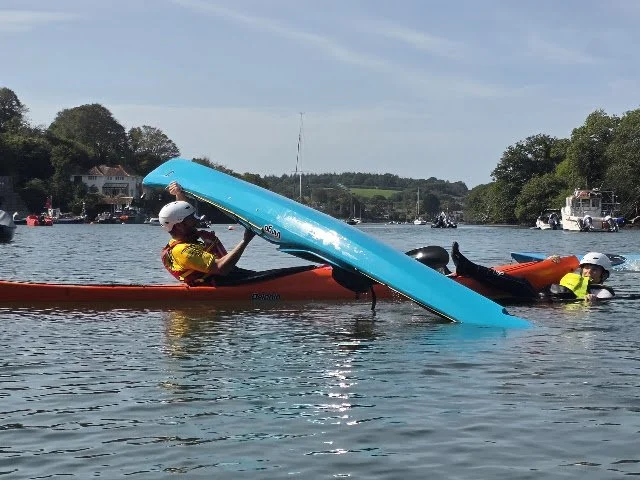
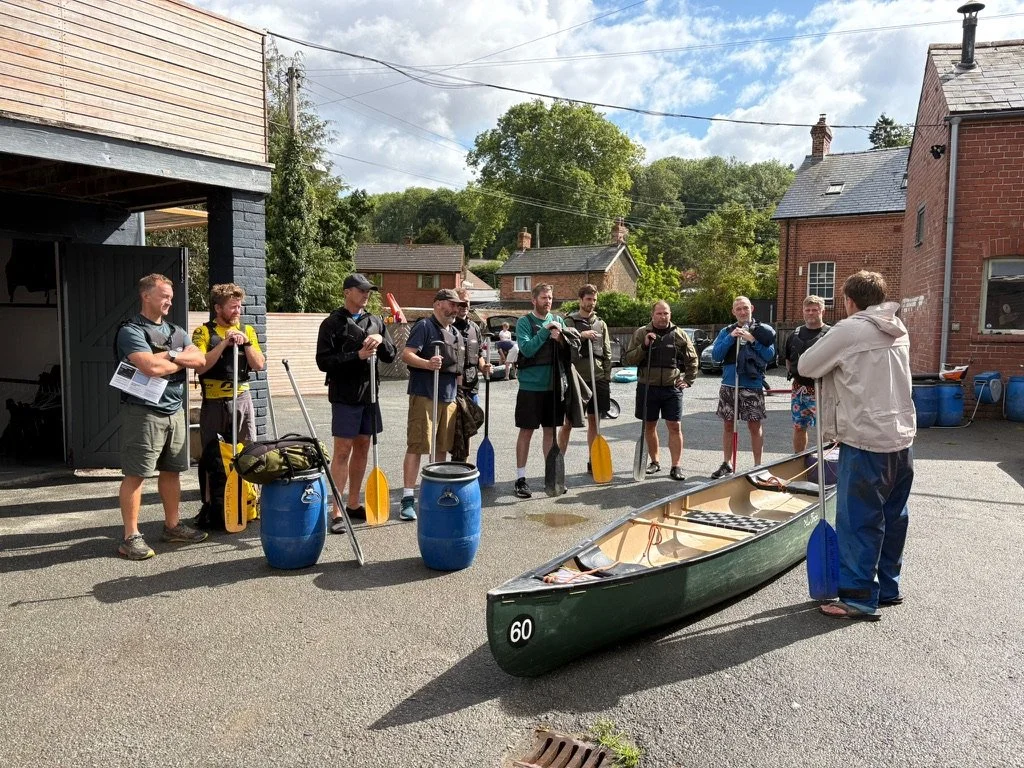
Key therapeutic processes include exposure to ‘challenge by choice’ manageable risk, which can recalibrate fear responses and build self-efficacy; social interdependence tasks that enhance trust, communication and group cohesion; and mastery experiences that shift self-concept through competence and accomplishment. The embodied nature of Therapeutic Outdoor Adventures can bypass cognitive defences and access emotions in ways that talk-only therapy may not.
Therapeutic Outdoor Adventure Programmes are adaptable across ages and populations. Children and adolescents often benefit from active, play-based interventions that address behavioural regulation, peer relationship difficulties and trauma. Young adults and adults may use adventure challenges to explore life transitions, recover from addiction or manage anxiety and depression. Family and group formats harness interpersonal dynamics for systemic change, enabling members to practise new roles and patterns in a setting that highlights interactional consequences and strengths.
Therapeutic aims and outcomes are evaluated through qualitative reflective & reflexive practice, alongside the use of relevant standardised psychometric tools and models such as the VIA survey, the PERMA Model and the Power Threat Meaning Framework.